
SLEEP AWAKE
Related Games





Description
🔥 What is Sleep Awake for PC
Sleep Awake is a surreal psychological adventure game that explores the fragile boundary between dreaming and waking life through a haunting narrative that feels both intimate and cosmic in scope. Developed by a small indie studio focused on experimental storytelling, the game invites players into a shifting reality where every choice subtly reshapes perception and meaning. At its core, Sleep Awake isn’t about fighting enemies or collecting loot but about navigating memory, guilt, and fragmented identity within a dream that seems to remember you back.
The story follows a protagonist who wakes up in a world that mirrors their own but is filled with impossible logic and broken time loops. As they explore dreamlike environments and converse with strange, half-remembered figures, they begin to uncover layers of their subconscious mind. Each revelation pulls them deeper into a metaphysical mystery about what it means to wake up, both literally and emotionally. The tone alternates between eerie calm and sudden dread, creating a rhythm that mirrors the experience of lucid dreaming gone wrong.
Sleep Awake fits within the lineage of narrative-driven art games that emphasize atmosphere and introspection, similar to titles like Inside, Journey, and Silent Hill 2, yet it feels distinct due to its raw, poetic approach to storytelling. Every environment, sound cue, and interaction feels meticulously crafted to express internal conflict. Rather than telling players what to feel, the game allows them to interpret meaning through imagery, repetition, and subtle mechanical shifts.
👉 Features of Sleep Awake
Dream Logic Narrative
The narrative in Sleep Awake unfolds according to dream logic, where events do not follow a linear path but instead loop, echo, and contradict each other in ways that feel both confusing and inevitable. Dialogue and scenes subtly change each time you revisit them, suggesting that the world itself is watching how you think and react. This structure transforms the story into a reflection of your choices, not through binary decisions but through emotional resonance and interpretation.
As you progress, fragments of your past emerge through cryptic symbols and recurring motifs a cracked mirror, a hallway filled with whispers, or an empty bed that appears in multiple realities. Each clue deepens your understanding of the protagonist’s fractured psyche and raises questions about what, if anything, counts as reality.
Environmental Storytelling
The world of Sleep Awake speaks through its spaces rather than through exposition. Rooms rearrange themselves, corridors twist into impossible loops, and familiar locations degrade as the story progresses. The environment becomes an emotional language, communicating loss, repression, and transformation without direct words. By exploring these spaces, players slowly assemble a psychological map of the main character’s trauma.
Small details a clock ticking backward, a record player that plays static, a note that changes when re-read add a subtle layer of interactivity that encourages close observation. The result is an experience that rewards patience and curiosity rather than quick reactions or combat skills.
Emotion-Driven Gameplay
Instead of relying on traditional health or stamina systems, Sleep Awake measures your stability through emotional balance. Stress, fear, and guilt influence how the world reacts to you. For instance, if you focus too long on certain unsettling objects or relive painful memories, the dream’s geometry distorts more violently. The player’s emotional state becomes the central mechanic, directly altering progression paths.
This innovative approach encourages mindfulness and reflection. You’re not punished for failure in a conventional sense but are instead guided into confronting the emotional roots of each surreal sequence. The result is a gameplay loop that feels personal and interpretive, mirroring the process of therapy or lucid exploration.
Adaptive Audio Design
The game’s soundscape is one of its most powerful tools for immersion. A dynamic score blends ambient drones, reversed melodies, and minimal piano tones that shift based on player emotion. When tension rises, melodies dissolve into noise; when calm returns, soft harmonics rebuild the atmosphere.
Voices whisper indistinct phrases, sometimes in reverse, sometimes overlapping with environmental sounds like dripping water or the distant hum of machinery. The blending of diegetic and non-diegetic sound creates an uncanny uncertainty are you hearing the world or your own thoughts? This constantly blurs the line between external and internal space.
Multiple Endings and Interpretations
Sleep Awake doesn’t offer a single conclusive ending but rather several emotional resolutions depending on how you engage with the dream’s symbols and decisions. These endings range from acceptance and release to deeper self-denial and erasure, mirroring the stages of awakening from trauma.
The ambiguity of these outcomes invites replayability. Each playthrough uncovers new fragments of dialogue or altered environments, suggesting that the game remembers your previous paths. Players are encouraged to interpret the meaning of their journey rather than searching for a true ending.
Gameplay
Exploration and Interaction
Sleep Awake’s gameplay revolves around exploration and subtle interaction rather than action or combat. You move through interconnected dream spaces, inspecting objects, solving environmental puzzles, and piecing together narrative clues through visual and auditory cues. There are no traditional HUD elements; instead, the game relies on environmental feedback flickering lights, shifting camera angles, or changes in sound design to guide progress.
Objects may hold memories, which appear as short, surreal vignettes when touched. Some items trigger shifts in perspective, teleporting you into new versions of old locations. This constant sense of disorientation reinforces the theme of unstable reality and keeps players questioning their perceptions.
Psychological Puzzles
Many of the puzzles in Sleep Awake are symbolic rather than logical, requiring players to think in metaphors rather than numbers or patterns. You might rearrange family photos to form a timeline of loss or follow the sound of a heartbeat through dark corridors to unlock a buried truth. These puzzles don’t test intelligence in the traditional sense but emotional intuition, rewarding insight over precision.
Each puzzle also acts as a piece of narrative revelation. Solving them often leads to flashbacks or monologues that illuminate the protagonist’s history, gradually merging gameplay with storytelling in an inseparable way.
Memory Reconstruction
A core mechanic involves reconstructing memories that have been fragmented across different dreamscapes. By locating key artifacts objects imbued with emotional weight you can restore pieces of your forgotten past. Once enough fragments are assembled, the environment transforms, revealing deeper layers of the dream or entirely new areas.
However, memory reconstruction comes with risk. Facing painful truths increases emotional instability, and if you lose control, the dream can collapse, sending you back to earlier points. This tension between understanding and survival creates a quiet but persistent sense of dread.
Graphics
Surreal Art Direction
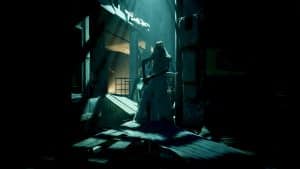
Sleep Awake’s visual style blends painterly realism with surreal abstraction, creating environments that look both familiar and disturbingly alien. Rooms are rendered in muted colors, with light behaving unpredictably sometimes flickering, sometimes bending around objects. Textures blur or decay as you approach them, suggesting that the dream itself is struggling to maintain coherence.
Character models appear slightly distorted, their movements delayed by a fraction of a second, evoking a sense of detachment from reality. Every visual choice reinforces the atmosphere of a world built from memory and emotion rather than physical matter.
Dynamic Lighting and Symbolism
Lighting in Sleep Awake is a storytelling device in itself. Brightness represents clarity and awareness, while darkness symbolizes repression and fear. Sometimes, light pulses in sync with the protagonist’s heartbeat, turning emotional tension into a tangible, visual phenomenon.
Symbolic use of color also plays a crucial role. Blue hues dominate calm sequences, red overtakes moments of panic, and muted greys accompany introspective passages. This careful chromatic control ensures that players feel emotion through sight alone, even when no words are spoken.
Visual Effects and Animation
Distortion effects, reflections, and particle drift enhance the dreamlike feel. Walls may melt into water, shadows may crawl independently of their sources, and objects may momentarily lose gravity. The game uses subtle animation loops and sudden glitches to maintain a sense of unpredictability.
Cinematic camera work, inspired by arthouse cinema and psychological horror, ensures every moment feels intentional. Slow pans, abrupt cuts, and long takes mirror emotional pacing, making the visuals as expressive as the dialogue.
Pros and Cons
✔️ Pros
- Emotionally rich narrative that rewards introspection and interpretation
- Unique gameplay mechanics based on emotional stability rather than combat
- Stunning surreal visuals that blend art and psychology seamlessly
- Exceptional sound design that reacts dynamically to player state
- Multiple endings encouraging replayability and personal reflection
❌ Cons
- Slow pacing may alienate players seeking action or clear objectives
- Abstract puzzles can feel obscure or frustrating without patience
- Heavy psychological themes may be emotionally draining for some players
- Limited traditional gameplay variety; focus is on mood and symbolism
ℹ️ Game information


⭐ Installation Instructions
- The game is fully complete, you just need to install it, so there is no need to unpack it or download it from other sources.
- Just run the SLEEP AWAKE.exe installation file.
- Simply launch the game from shortcut desktop.
⚙️ System Requirements
✅ Minimum:
- OS: Windows 10/11 64bit
- Processor: Intel Core i7 4770K 4-core / AMD Ryzen 5 2600X
- Memory: 16 GB RAM
- Graphics: NVIDIA GTX 1060 6GB / AMD RX 6600
- DirectX: Version 12
- Network: Broadband Internet connection
- Storage: 60 GB available space
✅ Recommended:
- OS: Windows 10/11 64bit
- Processor: Intel Core i7 12700K / AMD Ryzen 7 5700X
- Memory: 32 GB RAM
- Graphics: NVIDIA RTX 3070 / AMD RX 6800
- DirectX: Version 12
- Network: Broadband Internet connection
- Storage: 60 GB available space
Images



Video
Best Rated Games
 Virtua Cop 21.88.0 SEGA
- Hogwarts LegacyBuild 1420267 Avalanche Software
- UpdatedThe Sims 41.122.218.1030 Maxis
- Grand Theft Auto V1.0.3751.0/1.72 Rockstar North
- Need for Speed: Carbon1.0 Electronic Arts
- Path of Exile 20.2.1 Grinding Gear Games
- ARK: Survival Evolved360.1 Studio Wildcard
- Minecraft1.17.1 Mojang Studios


