
PANICORE
Related Games





Description
🔥 What is PANICORE for PC
PANICORE is an indie cooperative survival horror game developed by Twinkle Games that thrusts players into a tense and claustrophobic nightmare where every sound and shadow can mean imminent death. The game’s premise revolves around a group of survivors trapped in procedurally generated environments that change with each playthrough, forcing players to adapt their strategies every single time. Built on a foundation of psychological tension and cooperative decision-making, Panicore delivers a terrifying experience that merges classic survival horror design with modern multiplayer innovation.
At its core, Panicore captures the dread and unpredictability of old-school horror games while modernizing the experience with dynamic lighting, advanced AI, and a procedural event system that ensures no two runs feel the same. Players can either explore solo, where isolation amplifies fear, or cooperate with others to solve puzzles, find key items, and avoid horrifying entities that react to noise and movement. The story unfolds subtly through environmental details, eerie soundscapes, and brief glimpses of past tragedies, creating an atmosphere of unrelenting tension that rewards attention to detail.
👉 Features of Panicore
Procedurally Generated Environments
Each playthrough in Panicore takes place in a procedurally generated location, meaning that corridors, item placements, and even monster behaviors shift every time you start a new session. This unpredictability keeps the tension alive and prevents players from relying on memory or routine. The dynamic map layout also encourages exploration and risk-taking, as new paths and hidden rooms may contain essential tools or unspeakable horrors.
Cooperative Survival Experience
Panicore stands out for its cooperative design that supports up to five players. Working together becomes essential, not optional, because sound attracts creatures and resources are limited. Communication must be cautious and strategic, forcing players to balance between helping teammates and protecting themselves. The sense of camaraderie and shared fear amplifies the immersion, making even simple tasks like unlocking a door or checking a generator feel like monumental achievements.
Advanced AI and Sound-Driven Threats
The enemies in Panicore are not scripted jump-scare machines; instead, they are governed by an adaptive AI that responds dynamically to player actions. Noise, light, and proximity all influence how monsters behave, which transforms every movement and every sound into a potential death sentence. This system keeps players constantly on edge, never allowing them to feel safe or complacent.
Environmental Storytelling
Rather than relying on cutscenes or dialogue, Panicore tells its story through clues scattered throughout the environment. Blood-stained notes, flickering monitors, and distorted audio logs reveal fragments of what happened in the facility. This storytelling approach encourages curiosity while reinforcing the feeling of dread, as players slowly piece together a narrative that is as tragic as it is terrifying.
Multiple Endings and Replayability
Because of its procedural generation and branching outcomes, Panicore offers immense replay value. Players decisions whether they choose to escape alone, rescue teammates, or take risky shortcuts affect the ending they receive. Each session becomes a unique narrative, shaped by both player skill and unpredictable chance.
Gameplay
Survival Mechanics and Cooperative Tension
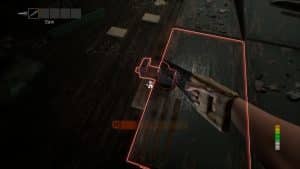
The core gameplay of Panicore revolves around surviving in hostile environments while managing scarce resources and unpredictable threats. Players must scavenge for batteries, keys, and healing items while avoiding making noise that could attract attention. Every light flicker and every creaking door becomes an event to consider carefully. Cooperation is not merely recommended but vital: some puzzles require multiple players to solve, and carrying a wounded teammate may determine whether the group escapes or perishes.
Fear Through Sound and Atmosphere
Panicore’s gameplay design emphasizes the terror of silence and the horror of noise. Talking through voice chat can literally be your undoing, as the game’s microphone integration allows monsters to hear real life player voices. This feature blurs the line between game and reality, producing moments of genuine panic when players must whisper or remain utterly quiet to survive. This auditory tension gives the game its distinctive name and ensures that every session feels like a nerve-shredding experiment in restraint.
Permadeath and Unforgiving Stakes
Unlike many modern horror titles that allow frequent retries, Panicore punishes carelessness harshly. When a player dies, they stay dead for the remainder of the session, forcing their teammates to adapt to the loss. This permanent death mechanic amplifies emotional investment, transforming each survival run into a high stakes event where mistakes have lasting consequences. The emotional rollercoaster that results is one of the most defining aspects of the Panicore experience.
Solo vs. Multiplayer Experience
While Panicore can be played solo, the game truly shines in cooperative mode. Playing alone highlights the atmosphere and sense of isolation, while multiplayer introduces chaotic coordination and shared tension. Each approach offers a different flavor of fear: solitude delivers psychological dread, while teamwork breeds desperation and frantic communication. The balance between the two modes gives the game impressive versatility and makes it appealing to a wide range of horror fans.
Graphics
Claustrophobic Lighting and Visual Realism
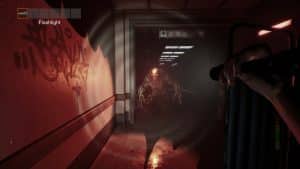
Panicore’s visuals rely heavily on lighting and texture realism to generate dread. The environments are dimly lit, illuminated mostly by flickering fluorescents and handheld flashlights that cast dynamic shadows across grimy walls and broken machinery. Every texture feels dirty and tactile, grounding the supernatural horror in a setting that looks convincingly real. The contrast between darkness and limited visibility constantly reminds players of their vulnerability.
Creature Design and Animation
The monsters in Panicore are disturbing amalgamations of human and inhuman features, animated with jerky, unpredictable motion that evokes primal discomfort. The design deliberately avoids overexposure; players often catch only partial glimpses of the entities before they strike. This design philosophy taps into the fear of the unknown, ensuring that what is unseen is always more terrifying than what is visible.
Atmospheric Effects and Audio Integration
What truly elevates Panicore’s presentation is its perfect marriage of visual and auditory design. Fog, flickering shadows, and subtle camera shakes combine with reactive audio to create a living, breathing nightmare. The ambient sounds dripping water, distant screams, static-laced whispers are not merely background decoration but integral elements that manipulate player psychology. The result is an audiovisual experience that immerses the player completely and refuses to let go.
Pros and Cons
✔️ Pros
- Intensely atmospheric horror experience that leverages both sound and darkness to devastating effect
- Deeply cooperative gameplay that rewards communication and shared problem-solving
- Procedural generation ensures that no two playthroughs ever feel the same
- Strong replay value with multiple endings and branching choices
- Sound-reactive AI adds unpredictable and organic tension throughout the game
❌ Cons
- High difficulty and punishing permadeath may frustrate casual players
- Visual environments can occasionally feel repetitive due to procedural design
- Lack of traditional storytelling might alienate players who prefer narrative clarity
ℹ️ Game information


⭐ Installation Instructions
- The game is fully complete, you just need to install it, so there is no need to unpack it or download it from other sources.
- Just run the PANICORE.exe installation file.
- Simply launch the game from shortcut desktop.
⚙️ System Requirements
✅ Minimum:
- OS: Windows 10 64bit
- Processor: AMD Ryzen 3 1200 / Intel Core i5-7500
- Memory: 8 GB RAM
- Graphics: AMD Radeon RX 470 4GB VRAM / NVIDIA GeForce GTX 960 4GB VRAM
- DirectX: Version 11
- Network: Broadband Internet connection
- Storage: 13 GB available space
✅ Recommended:
- OS: Windows 10 64bit
- Processor: AMD Ryzen 5 3600 / Intel Core i7 8700
- Memory: 16 GB RAM
- Graphics: AMD Radeon RX 5700/ NVIDIA GeForce GTX 1070
- DirectX: Version 12
- Network: Broadband Internet connection
- Storage: 13 GB available space
Images


Video
Best Rated Games
 Virtua Cop 21.88.0 SEGA
- Hogwarts LegacyBuild 1420267 Avalanche Software
- UpdatedThe Sims 41.122.218.1030 Maxis
- Grand Theft Auto V1.0.3751.0/1.72 Rockstar North
- Need for Speed: Carbon1.0 Electronic Arts
- Path of Exile 20.2.1 Grinding Gear Games
- ARK: Survival Evolved360.1 Studio Wildcard
- Minecraft1.17.1 Mojang Studios


