
Grounded 2
Related Games





Description
🔥 What is Grounded 2 for PC
Grounded 2 is the ambitious sequel to Obsidian Entertainment’s inventive survival adventure, expanding upon the playful yet perilous concept introduced in the first Grounded. In the original game, players were shrunken to insect size and forced to survive in a sprawling suburban backyard, scavenging for food, crafting makeshift tools, and building shelters while avoiding aggressive ants, spiders, and other miniature threats. It was a fresh take on the survival genre that blended childlike imagination with genuine tension, setting the tone for one of Obsidian’s most creative worlds to date.
The sequel builds directly upon this foundation, continuing the story after the mysteries of the first game’s shrinking experiment were partially revealed. The once-familiar backyard has changed dramatically new biomes have formed, old territories have evolved, and the consequences of human interference are now impossible to ignore. Grounded 2 not only deepens the narrative and worldbuilding but also transforms the backyard into a living ecosystem that reacts to the player’s actions, creating a survival experience that feels both grander and more personal.
👉 Features of Grounded 2
A Living, Expanding Backyard
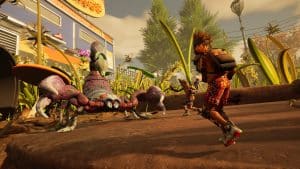
The world of Grounded 2 is a massive step forward from the original’s setting. What was once a single yard filled with handcrafted zones is now a sprawling micro-wilderness featuring new areas like compost fields, mossy ravines, and the remnants of human machinery overgrown with fungus and roots. Each biome presents unique hazards, resources, and weather conditions, with dynamic insect populations that shift according to time, temperature, and even player interference.
The backyard feels more alive than ever. Rain now forms temporary rivers, frost can destroy food supplies, and strong winds affect traversal and combat. Exploration becomes a constantly changing challenge, rewarding adaptability and curiosity in equal measure.
Advanced Crafting and Base Building
The crafting and base systems return with far greater complexity. Players can construct multi-level shelters, power their bases using gathered energy cells, and automate basic resource gathering using tiny insect-driven machines. Structural integrity now matters, and creative builders can design intricate defensive fortresses or elegant treehouse outposts that serve as both homes and vantage points.
Crafting progression feels more meaningful this time, offering rare materials hidden in dangerous zones and new blueprints tied to exploration milestones. It’s a clear evolution of what made the first Grounded so addictive turning scraps and junk into clever survival tools.
Cooperative Survival, Reinvented
Co-op play has been rebuilt from the ground up, supporting cross-progression and synchronized saves so every player’s effort counts. Each teammate can specialize in different survival roles builder, explorer, or combat scout while contributing to the group’s shared goals. Enhanced communication tools, ping systems, and contextual emotes make cooperation smoother and more natural.
Group exploration now unlocks unique storylines and shared challenges, transforming teamwork from a convenience into a necessity. Players who enjoyed the camaraderie of the first Grounded will find this aspect richer, deeper, and more rewarding.
Intelligent Insect Ecosystem
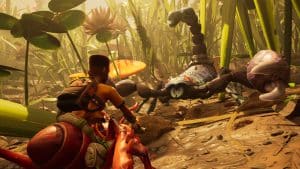
In Grounded 2, the creatures no longer follow scripted patterns. Instead, they behave according to needs and instincts within a functioning food chain. Spiders hunt in webs that expand over time, ants build rival colonies, and fireflies defend their light sources during the night. These systems are influenced by player activity slay too many ants, and their predators may move closer to your base.
This dynamic ecology ensures that no two playthroughs unfold the same way. The backyard is not just a backdrop but a breathing environment that learns, adapts, and occasionally strikes back.
Deeper Story and Environmental Mystery
The story continues the original’s scientific mystery, following the aftermath of the shrinking experiment and humanity’s absence. Clues scattered across the backyard abandoned labs, corrupted AI terminals, and half-buried research drones gradually piece together the bigger picture. Obsidian maintains its trademark environmental storytelling, revealing narrative fragments through exploration rather than traditional missions.
The tone remains a delicate balance between wonder and unease: a child’s playground twisted into a haunting microcosm of human ambition and nature’s resilience.
Gameplay
Survival Systems and Player Progression
Survival in Grounded 2 remains grounded in realism and risk, expanding upon the first game’s hunger, thirst, and stamina mechanics. Now, temperature and weather also influence player performance cold nights slow movement, while heat waves increase dehydration. Players must manage resources more strategically, especially in multiplayer sessions where cooperation can mean the difference between thriving and extinction.
The game rewards careful observation and creativity. You can harness insect pheromones to divert predators, collect dew as a water source, or cultivate small gardens of mushrooms and herbs for sustainable food. Every tool feels handcrafted and purposeful, echoing the original’s spirit while pushing its systems to new levels of depth.
Combat and Weapon Variety
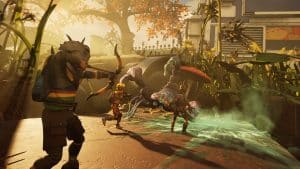
Combat in Grounded 2 is faster, more tactical, and shaped by weapon diversity. Players can craft upgraded melee gear, deploy traps, or use alchemical gadgets like spore grenades and scent decoys. Timing and positioning are crucial attacking a spider head-on is suicide, but ambushing it near its web with crafted explosives can turn the tide.
Boss encounters are now tied to ecosystem events: a hornet queen defending her nest, or a giant beetle mutated by chemicals spilled from a forgotten lawnmower. Every fight feels significant, not just for its rewards but for how it reshapes the world afterward.
Exploration and Discovery
Where Grounded encouraged slow, cautious exploration, Grounded 2 turns it into a full-scale adventure. Players uncover lost relics of human life a cracked phone filled with data logs, an old sandbox converted into a desert biome, a rain gutter that hides a secret fungal cavern. These areas feel handcrafted and interconnected, forming a semi-open world that evolves over time.
Environmental storytelling drives progress: there are no giant quest arrows, only clues in the environment that reward curiosity and memory. Returning players will notice landmarks from the first game now buried, twisted, or reclaimed by nature, creating a sense of time passing and world continuity.
Graphics
Immersive Miniature World
The first Grounded was praised for its stunning sense of scale, and Grounded 2 amplifies that beauty with next-generation detail. Blades of grass sway dynamically, raindrops splash realistically across soil, and sunlight filters through leaves like stained glass. The visual fidelity transforms ordinary backyard items into massive, awe-inspiring structures an overturned soda can becomes a glowing cave of reflections, while a child’s lost marble refracts light like a lens.
Lighting, Weather, and Atmosphere
Dynamic weather changes not only affect gameplay but also reshape the world’s look. Rain floods tunnels, fog veils predators, and thunder illuminates the yard in brief, terrifying flashes. Day and night transitions feel cinematic, each hour painting the environment in different tones and moods.
The atmosphere strikes that same balance as the first game half nostalgia, half primal fear. What feels like a playground during the day turns into a hostile jungle at night, echoing the emotional contrasts that defined Grounded.
Animation and Performance
Obsidian’s attention to detail extends to animation and physics. Insects move with believable precision, reacting to terrain and collisions in natural ways. PC players benefit from extensive performance settings, including ray-tracing options, ultrawide support, and fluid 60+ FPS gameplay. Despite the scale increase, optimization ensures smooth play across most setups.
Pros and Cons
✔️ Pros
- Expands and improves every core system from the first Grounded
- Deep, reactive ecosystem with emergent behavior and player influence
- Gorgeous world design with dynamic weather and time of day cycles
- Meaningful co-op progression that rewards teamwork and role division
- Environmental storytelling that continues the mystery of the original
❌ Cons
- Increased realism may make early survival harsh for newcomers
- Occasional AI quirks or collision bugs in crowded biomes
- Requires patience and coordination in multiplayer resource sharing
- Story reveals remain fragmented and easy to miss for casual players
ℹ️ Game information


⭐ Installation Instructions
- The game is fully complete, you just need to install it, so there is no need to unpack it or download it from other sources.
- Just run the Grounded 2.exe installation file.
- Simply launch the game from shortcut desktop.
⚙️ System Requirements
✅ Minimum:
- OS: Windows 10/11 64bits
- Processor: AMD Ryzen 5 2600 / Intel i5-8400
- Memory: 16 GB RAM
- Graphics: AMD RX 5700 / Nvidia GTX 1070 / Intel Arc A580
- DirectX: Version 12
- Network: Broadband Internet connection
- Storage: 40 GB available space
✅ Recommended:
- OS: Windows 10/11 64bits
- Processor: AMD Ryzen 5 5600X / Intel i7-10700K
- Memory: 16 GB RAM
- Graphics: AMD RX 6800 XT / Nvidia RTX 3080
- DirectX: Version 12
- Network: Broadband Internet connection
- Storage: 40 GB available space
Images

Video
Developer's games




Best Rated Games
 Virtua Cop 21.88.0 SEGA
- Hogwarts LegacyBuild 1420267 Avalanche Software
- UpdatedThe Sims 41.122.218.1030 Maxis
- Grand Theft Auto V1.0.3751.0/1.72 Rockstar North
- Need for Speed: Carbon1.0 Electronic Arts
- Path of Exile 20.2.1 Grinding Gear Games
- Grow a Garden Roblox generator for PC and mobileRoblox Corporation
- ARK: Survival Evolved360.1 Studio Wildcard


