
Cities: Skylines
Related Games





Description
🔥 What is Cities: Skylines for PC
Cities: Skylines is a complex and deeply engaging city-building simulation developed by Colossal Order and published by Paradox Interactive, designed for players who want total creative control over urban planning. It was released for PC as a spiritual successor to classic city simulators, offering a modern and realistic take on what it means to build and maintain a living, breathing metropolis. Rather than being a casual management game, it places the player in the role of a city planner who must handle everything from zoning and infrastructure to economy and citizen satisfaction, balancing creativity with practical problem-solving.
The game begins with a modest plot of land, a handful of roads, and a tight budget, yet it quickly evolves into an intricate ecosystem of transportation networks, public services, and dynamic neighborhoods. Players are tasked with managing electricity, water supply, healthcare, education, and traffic flow while ensuring that citizens remain happy and the economy thrives. Unlike many city builders that impose strict objectives, Cities: Skylines focuses on player freedom, allowing experimentation with layouts, policies, and expansion strategies.
As your city grows, the complexity deepens. Natural disasters, pollution, and economic fluctuations challenge even the most experienced mayors, but each obstacle becomes an opportunity for creative engineering. The game’s combination of simulation depth, mod support, and visual detail has made it one of the most beloved city builders of its generation.
👉 Features of Cities: Skylines
Advanced Urban Simulation
Cities: Skylines offers a realistic simulation of urban growth and citizen behavior. Every person, vehicle, and building in your city operates according to a set of logical routines that affect traffic patterns, service delivery, and overall satisfaction. This dynamic system gives players a sense of organic life within their cities and makes every design decision meaningful.
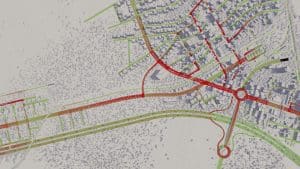
The simulation reacts dynamically to your choices. Building new highways may ease congestion in one area but create new bottlenecks elsewhere, forcing players to think several steps ahead. The game’s complexity never feels punishing, though it’s about experimentation and adaptation rather than rigid perfection.
Deep Infrastructure and Policy Management
Managing the infrastructure in Cities: Skylines goes far beyond laying down roads and pipes. Players can customize transportation systems, from public buses and trams to massive metro networks and airports. Each decision affects not only the city’s efficiency but also its aesthetic and social atmosphere.
Policies and zoning laws allow for even greater control. You can designate districts with unique regulations—encouraging green energy, restricting heavy industry, or promoting nightlife. These systems create distinct neighborhoods that feel unique and alive, turning a single map into a collection of diverse communities.
Expansive Modding Support
One of the defining aspects of Cities: Skylines is its support for mods and community content. From new building assets to complete gameplay overhauls, the modding scene has transformed the game into a living platform for creativity. Steam Workshop integration makes downloading and sharing creations seamless.
This openness to modification has kept the game fresh for years. Whether you’re installing realistic traffic AI, building a futuristic cityscape, or recreating your hometown, the community ensures that no two cities are ever alike.
Natural and Economic Systems
The environment plays a major role in shaping your city’s destiny. Hills, rivers, and coastlines influence building placement and transport design, while pollution and land value respond to player decisions. Natural resources like oil, ore, and fertile soil add another layer of strategic depth for those managing industrial districts.
The economic system is equally rich. Players must balance budgets, set taxes, and maintain funding for public services. Growth brings prosperity, but also the need for careful planning overspending on infrastructure can bankrupt even the most ambitious metropolis.
Dynamic Expansion and DLC Support
Cities: Skylines has evolved through numerous expansions, each introducing new features that expand gameplay possibilities. From weather and day-night cycles to mass transit systems, environmental hazards, and specialized industries, the game constantly reinvents itself without losing its core identity.
Each expansion adds complexity without overwhelming players. Whether you want to manage tourism, create eco-friendly districts, or handle climate change, there’s always a new challenge waiting to reshape your city.
Gameplay
Building the Heart of the City
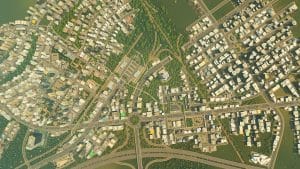
The gameplay of Cities: Skylines revolves around creativity balanced by realism. Players start small, establishing basic utilities and road networks before expanding into suburbs, industrial zones, and downtown areas. Every plot of land you zone influences population density, traffic flow, and service demands, which in turn affect how your city evolves over time.
Because everything is interconnected, a single poorly placed road can have cascading effects on traffic, service response times, and pollution. Yet, this interconnectedness is what makes the game so engaging. Players must constantly readjust, redesign, and optimize their layouts, learning through experience and experimentation.
Managing Services and Citizens
Keeping citizens happy is a constant juggling act. Education raises productivity, healthcare ensures longevity, and parks improve morale but each service has costs that must be weighed against income. Citizens also have personal routines, meaning that rush hours and housing demand evolve naturally as your population grows.
Public transportation becomes a major focus in larger cities. Designing efficient metro routes or integrating buses with train lines can drastically reduce congestion and improve quality of life. The satisfaction of seeing thousands of people use your transit network is one of the most rewarding experiences in the game.
Economic Balance and Long-Term Strategy
The financial side of Cities: Skylines is surprisingly deep. Players must manage taxes, loans, and expenses carefully, avoiding both bankruptcy and stagnation. Balancing short-term needs against long-term sustainability is critical; cutting corners may provide temporary relief but create major issues later.
The strategic layer also includes dealing with disasters and urban decay. Fires, floods, and even economic recessions test your city’s resilience. Successful mayors are those who think ahead building redundant systems and planning for both prosperity and crisis.
Graphics
A Living, Breathing World
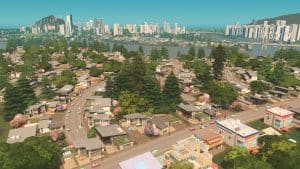
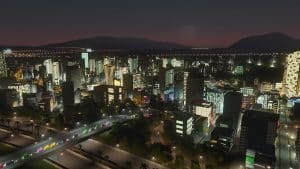
Cities: Skylines uses a clean and colorful art style that balances realism with clarity. From a high vantage point, cities feel alive, with cars moving, smoke rising, and lights twinkling as night falls. Every building type, from residential homes to towering skyscrapers, is crafted with attention to scale and visual harmony.
Zooming in reveals an impressive level of detail: pedestrians walking to work, cargo trucks unloading goods, and emergency vehicles racing through crowded streets. This attention to micro-level animation creates a sense of immersion rarely seen in the genre.
Lighting, Weather, and Ambience
Lighting plays a major role in shaping the game’s atmosphere. The transition from day to night isn’t just visual it changes the rhythm of city life, with traffic calming and nightlife districts coming alive. Later expansions introduced weather systems, from gentle rain to blizzards, each influencing gameplay and visuals in subtle ways.
The sound design complements the visuals beautifully. Ambient noise, distant sirens, and the hum of a thriving city create an auditory landscape that enhances the sense of realism and presence.
Performance and Customization
Despite its depth, Cities: Skylines is well-optimized and scalable across hardware levels. Players can adjust settings to balance performance and fidelity, and modded assets often blend seamlessly with the base game. On high settings, the vistas of your custom-built city are genuinely stunning.
The flexibility extends to camera control and cinematic tools, allowing players to create screenshots and time-lapse videos of their urban creations. Watching your city come alive from sunrise to sunset is often as rewarding as building it.
Pros and Cons
✔️ Pros
- Exceptionally deep and flexible city-building mechanics that reward creativity and planning.
- Massive modding community with endless free content and expansions.
- Realistic simulation of traffic, economy, and citizen behavior.
- Visually immersive and dynamic world with detailed animations.
- Long-term replayability supported by expansions and updates.
❌ Cons
- Steep learning curve for new players due to system complexity.
- Traffic management can feel frustrating and unforgiving at times.
- Performance issues in very large cities or with heavy mod use.
- Base game lacks some features that are locked behind paid DLCs.
ℹ️ Game information
Release Date: 10/03/2015
Update Date: 14/03/2026
Version: v1.21.1-f5
Genre: Simulation / Strategy
Platform: PC
Language: 


Weight: 4 GB
Additional info: New version includes all DLCs to date
⭐ Installation Instructions
- The game is fully complete, you just need to install it, so there is no need to unpack it or download it from other sources.
- Just run the Cities: Skylines.exe installation file.
- Simply launch the game from shortcut desktop.
⚙️ System Requirements
✅ Minimum:
- OS: Windows 10 64-bit
- Processor: Intel Core I7 930 | AMD FX 6350
- Memory: 8 GB RAM
- Graphics: Nvidia GeForce GTS 450 (1 GB) | AMD R7 250 (2 GB) | Intel Iris Xe G7 (Tiger Lake)
- DirectX: Version 11
- Network: Broadband Internet connection
- Storage: 4 GB available space
✅ Recommended:
- OS: Windows 10 64-bit
- Processor: Intel Core I7 2700K | AMD Ryzen 7 2700X
- Memory: 16 GB RAM
- Graphics: Nvidia GeForce GTX 580 (1.5 GB) | AMD Radeon RX 560 (4 GB)
- DirectX: Version 11
- Network: Broadband Internet connection
- Storage: 4 GB available space
Images
Video
Developer's games

Best Rated Games
 Virtua Cop 21.88.0 SEGA
- UpdatedThe Sims 41.122.218.1030 Maxis
- Grand Theft Auto V1.0.3751.0/1.72 Rockstar North
- Hogwarts LegacyBuild 1420267 Avalanche Software
- Persona 3 Reload1.09 ATLUS
- Warcraft III: Reign of Chaos1.0 Blizzard Entertainment
- People PlaygroundBuild 21984831 mestiez
- Grand Theft Auto: Vice City1.112 Rockstar Games


