
Unity of Command II
Related Games





Description
🔥 What is Unity of Command II for PC
Unity of Command II is a sophisticated operational level strategy game developed by 2×2 Games and published by Croteam, delivering a meticulously designed World War II experience that fuses accessibility with deep tactical complexity. Set primarily on the Western Front, it places the player in charge of Allied and Axis forces in a series of dynamic campaigns that challenge both strategic foresight and logistical mastery. Built on the legacy of the first Unity of Command, this sequel expands every system: from supply and fog-of-war mechanics to its strikingly elegant interface and historical authenticity.
Unlike many wargames that drown the player in excessive micromanagement, Unity of Command II balances precision with clarity, allowing you to focus on the most meaningful decisions. Every battle feels like a puzzle where timing, supply lines, and the positioning of divisions determine the outcome more than sheer numbers. It is a thinking person’s wargame clean, intelligent, and ruthlessly fair in its challenge.
👉 Features of Unity of Command II
Deep Operational Strategy
Unity of Command II offers one of the most elegant representations of operational warfare ever seen on PC strategy games. Every decision from moving a corps across a river to securing a supply hub has tangible consequences. The focus on logistics ensures that players must think not just about where to fight, but how to sustain that fight, keeping your divisions fed, fueled, and connected to the front.
Dynamic Campaign System
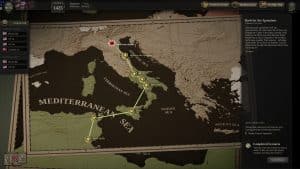
The campaign system introduces branching missions and persistent unit progression, giving each playthrough a sense of continuity and consequence. Your decisions affect future operations: losing too many veteran units or failing to capture objectives on time might reshape your strategic path. This adds an immersive narrative layer that keeps every campaign unpredictable and rewarding.
Supply and Fog of War Mechanics
The game’s distinctive supply system is a living organism that constantly shifts with the tides of battle. Losing a bridge or rail line can cut off entire divisions, forcing you to improvise new routes or abandon exposed flanks. The fog of war is also perfectly balanced hiding enemy forces until reconnaissance reveals them making intelligence and scouting an integral part of success.
Intuitive Interface and Modern Design
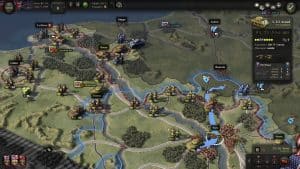
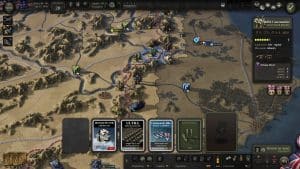
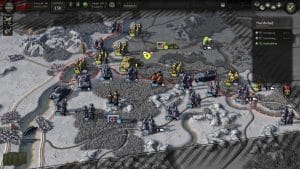
While it deals with deeply complex mechanics, Unity of Command II manages to remain visually clean and accessible. The interface presents detailed information with clarity, and the map visuals stylized yet informative make it easy to track your supply network, command structure, and weather effects. It’s a rare example of a wargame that looks modern without sacrificing substance.
Multiplayer and Mod Support
The inclusion of head to head multiplayer adds an extra layer of challenge, allowing you to pit your operational skills against human opponents who are often less predictable than AI. Mod support also expands the game’s lifespan, enabling the community to create new campaigns, scenarios, and tweaks that keep the experience fresh.
Gameplay
A Precise Dance of Logistics and Command
The gameplay in Unity of Command II revolves around the interplay of logistics, positioning, and timing. Each turn represents a delicate balance between advancing toward objectives and maintaining your supply chain, as even the most powerful divisions are helpless if cut off from fuel and ammunition. The command hierarchy introduces headquarters with specific abilities, which can boost morale, repair supply links, or coordinate powerful offensives.
Strategic Pacing and Puzzle-Like Scenarios
Every map feels like a carefully designed battlefield puzzle that rewards both experimentation and historical understanding. You often find yourself analyzing terrain, calculating distances between depots, and anticipating enemy counterattacks several turns ahead. This structure makes victory immensely satisfying, as every success feels earned through planning and foresight rather than luck.
Realistic Unit Progression and Attrition
The persistent campaign system ensures that units carry over experience and losses between missions. You’ll grow attached to specific divisions, carefully rotating them to rest and refit, while managing reinforcements and replacements. Attrition plays a silent but critical role reckless assaults can weaken your forces for the long campaign ahead, emphasizing prudence over aggression.
Multiplayer Tension and Replayability
In multiplayer, the tone shifts from calculated predictability to psychological warfare. Human players often take risks that the AI would never dare, creating tense situations where deception, feints, and surprise attacks can determine the outcome. Combined with community-made scenarios, the game achieves remarkable replayability.
Graphics
A Clear and Functional Art Direction
Unity of Command II adopts a clean, stylized visual approach that serves clarity above spectacle. The map, designed in soft tones and minimalist textures, communicates terrain, weather, and supply lines with precision. It may not feature the realistic battlefields of AAA titles, but its visual coherence and information density make it a joy for strategic minds.
Smooth Animations and Visual Feedback
Every action, from unit movement to combat resolution, is represented through crisp animations and intuitive feedback. Explosions, line of sight markers, and supply icons appear with a sense of order and purpose, ensuring that you always understand the consequences of each decision. The visual presentation supports, rather than distracts from, the player’s analytical process.
Thematic Cohesion and Atmosphere
The art style also conveys a subtle sense of wartime tension. The muted colors, clean UI, and small visual flourishes like shifting weather overlays build an atmosphere that feels both historical and modern. It’s not dramatic or cinematic, but it evokes the quiet gravity of command decisions made far behind the frontlines.
Pros and Cons
✔️ Pros
- Deep, rewarding operational strategy with an emphasis on logistics and planning
- Elegant interface and visual design that make complex systems intuitive
- Dynamic campaign with meaningful consequences and persistent unit progression
- Mod support and multiplayer for extended replay value
- Historically grounded scenarios that balance challenge with authenticity
❌ Cons
- Limited cinematic presentation may feel dry for players seeking visual spectacle
- Difficulty curve can be steep for newcomers to the genre
- Lack of full voice acting or narrative cutscenes may reduce emotional engagement
ℹ️ Game information
Release Date: 12/11/2019
Update Date: 20/12/2025
Version: Build 21099579
Genre: Simulation / Strategy
Platform: PC
Language: 


Weight: 5 GB
Additional info: New version includes all DLCs to date
⭐ Installation Instructions
- The game is fully complete, you just need to install it, so there is no need to unpack it or download it from other sources.
- Just run the Unity of Command II.exe installation file.
- Simply launch the game from shortcut desktop.
⚙️ System Requirements
✅ Minimum:
- OS: Windows 10/11 64bit
- Processor: Intel Core i5-8400 / AMD Ryzen 3 3300X
- Memory: 4 GB RAM
- Graphics: OpenGL 3.3+ GPU with 1GB VRAM
- DirectX: Version 11
- Network: Broadband Internet connection
- Storage: 5 GB available space
✅ Recommended:
- OS: Windows 10/11 64bit
- Processor: 6th Gen Intel Core i5 / AMD
- Memory: 8 GB RAM
- Graphics: NVIDIA GeForce GTX 970 / AMD
- DirectX: Version 11
- Network: Broadband Internet connection
- Storage: 5 GB available space
Images
Video
Best Rated Games
 Virtua Cop 21.88.0 SEGA
- Grand Theft Auto V1.0.3751.0/1.72 Rockstar North
- Hogwarts LegacyBuild 1420267 Avalanche Software
- UpdatedThe Sims 41.121.372.1020 Maxis
- UpdatedPeople PlaygroundBuild 21984831 mestiez
- Need for Speed: Underground 21.2 Electronic Arts
- Need for Speed: Carbon1.0 Electronic Arts
- Need for Speed: Payback1.0.51 Ghost Games


